Slovenia’s Arms Embargo Flip-Flop: A Proxy Battle in the Globalist Shadow War Over Gaza?
06/15/2026 / By Douglas Harrington
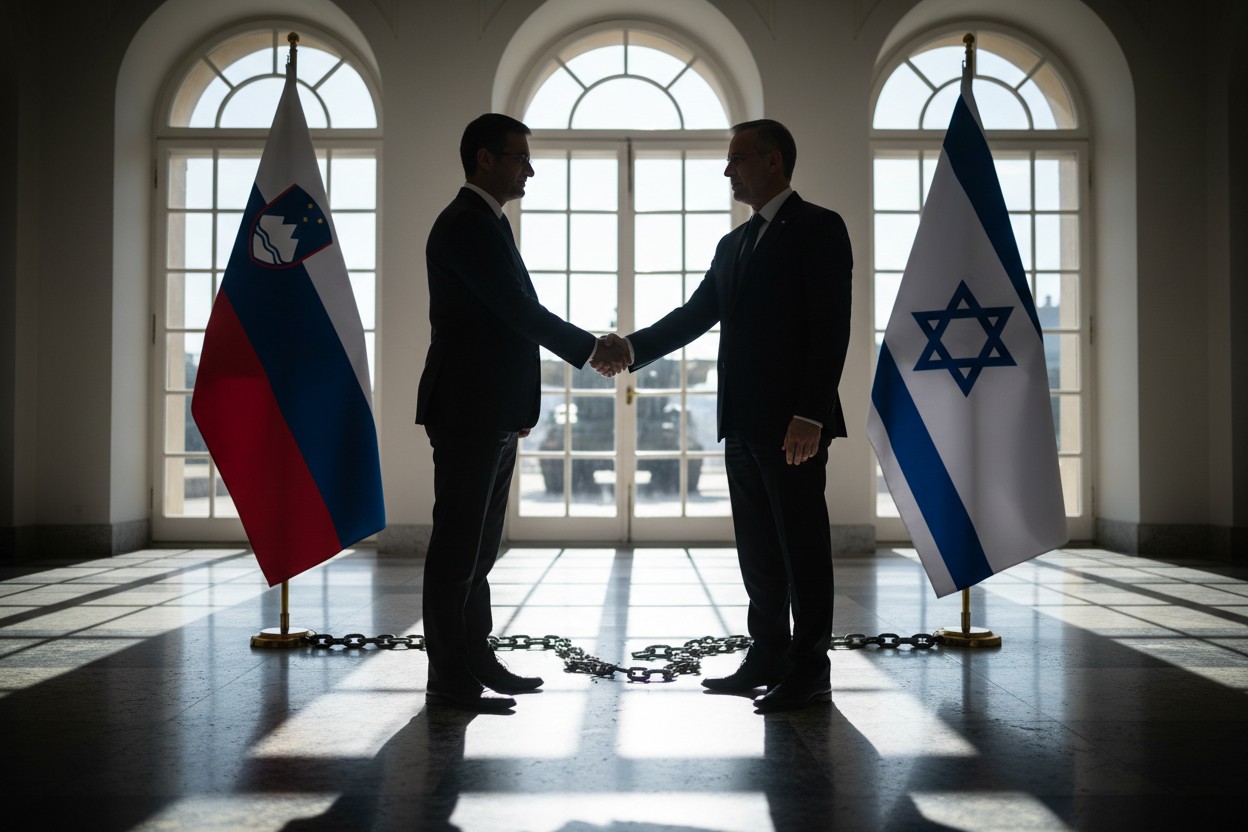
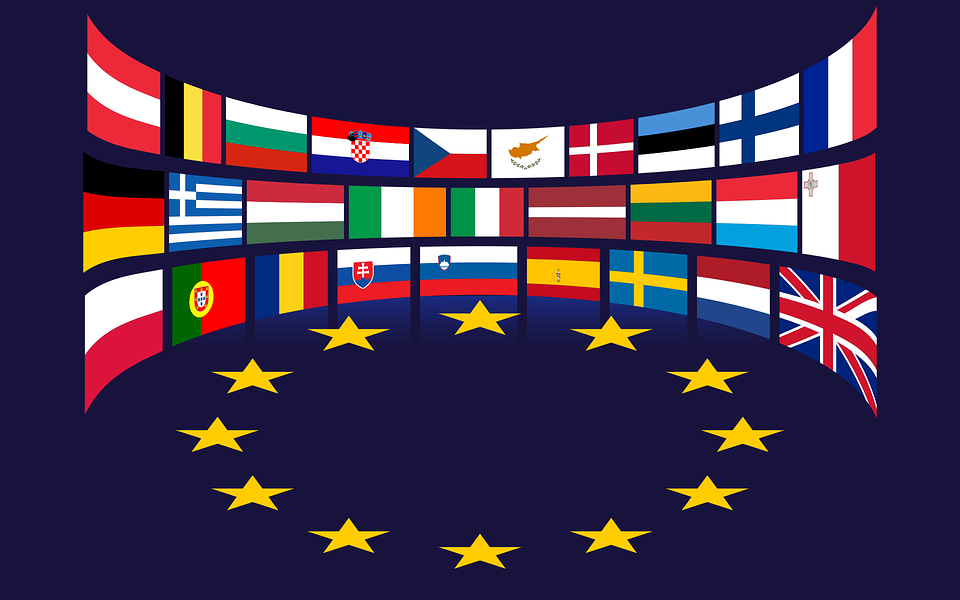
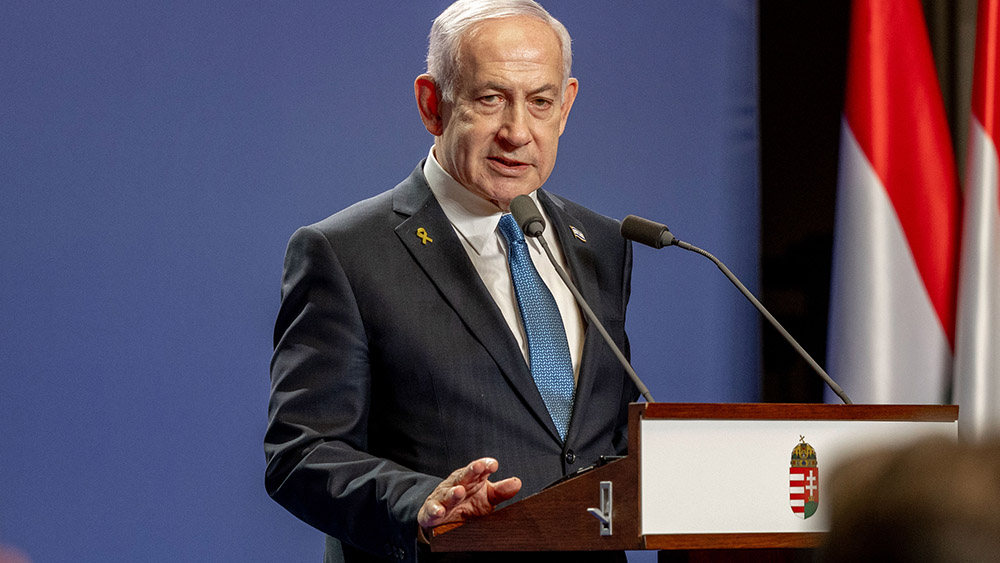
The new Slovenian government, led by the Slovenian Democratic Party (SDS) under Prime Minister Janez Jansa, has lifted a ban on arms and military equipment sales to Israel, the cabinet announced on June 12, 2026. The resolution came after Slovenia’s parliament approved the new government on June 4, 2026. The decision reverses a ban originally imposed on July 31, 2025, by the previous administration, which had made Slovenia the first European Union member state to enact such an embargo. According to a cabinet statement from Thursday’s meeting, “The Government of the Republic of Slovenia has adopted a resolution repealing the resolution of July 31, 2025. The Defense Ministry carries out activities related to arms exports to Israel in accordance with applicable regulations.” [1] [2]
Background
The previous Slovenian government, led by a left-wing coalition, imposed the arms embargo in July 2025 amid the escalating conflict in Gaza. At the time, officials cited the worsening humanitarian crisis and what they described as the EU’s failure to take coordinated action. The ban covered the export, import, and transit of military equipment to Israel. [2] The decision aligned Slovenia with a broader European push for accountability, including travel restrictions. In September 2025, Slovenia imposed a travel ban on Israeli Prime Minister Benjamin Netanyahu, citing an International Criminal Court arrest warrant issued in November 2024 that charged Netanyahu with “the war crime of starvation as a method of warfare and the crimes against humanity of murder, persecution, and other inhumane acts.” [3] [4]
The new coalition under Prime Minister Jansa reversed the arms embargo, marking a significant policy shift. According to the new government, the reversal is intended to restore normal political and economic relations with Israel. [1] [5] The move comes after months of political upheaval in Slovenia, including allegations that Jansa enlisted the help of an Israeli private intelligence firm to oust his predecessor. [5]
Government Rationale
The cabinet statement emphasized that the resolution repeals the July 31, 2025, ban and that the Defense Ministry will handle export activities in line with existing national and international regulations. Officials declined to comment on immediate export volumes or specific destinations. The government stated that the decision restores “conditions for a normal political dialogue” with Israel. [1] [5]
Alongside lifting the arms ban, the government also overturned an entry ban on Israeli Prime Minister Benjamin Netanyahu, National Security Minister Itamar Ben Gvir, and Finance Minister Bezalel Smotrich. The cabinet described these moves as necessary steps to resume diplomatic engagement. According to the announcement, all future arms transfers will be evaluated on a case-by-case basis under applicable Slovenian and EU law. [5]
Reactions
Opposition lawmakers in Slovenia criticized the reversal, arguing that it undermines efforts to restrict arms flows to conflict zones. A spokesperson for the opposition Social Democrats said the decision “ignores the humanitarian situation in Gaza and Slovenia’s previous commitment to international law.” [1] Human rights groups expressed concern, calling for renewed scrutiny of arms transfers to Israel. The groups noted that the ban had been part of a wider European trend toward limiting military trade with Israel, including moves by the Netherlands to ban imports from illegal Israeli settlements and a proposal by the EU to impose sanctions over human rights concerns. [6] [7]
Israeli officials welcomed the decision, according to a diplomatic source familiar with the matter. The source said the move “signals a return to pragmatism in bilateral relations.” Earlier in 2025, Israel had faced growing isolation, with 15 nations including Australia, Canada, France, and Spain pushing for Palestinian statehood, and a UN report stating that Israel’s military campaign in Gaza would have been impossible without global complicity. [8] [9] A separate UN report warned that by July 2025 more than a million Palestinians could face starvation. [10]
Implications and Conclusion
The reversal aligns Slovenia with other EU nations that have maintained arms trade with Israel despite the conflict. Analysts noted that the decision may affect Slovenia’s defense industry ties and its standing within the EU, where opinions on Israel policy remain divided. Some EU member states have pursued sanctions and travel bans, while others have continued military cooperation. [6] [5]
The lifting of the ban represents a notable shift under Jansa’s government, which has signaled a foreign policy direction more aligned with conservative and pro-Israel stances. As the situation in Gaza continues to draw international scrutiny, Slovenia’s policy change may influence other European governments considering similar moves. The full impact on regional dynamics and Slovenia’s international relationships remains to be seen. [1] [5]
References
- Sputnik International. “Slovenia’s New Government Lifts Ban on Arms Sales to Israel”. June 12, 2026.
- Laura Harris. “Slovenia becomes first EU nation to impose arms embargo on Israel over Gaza assault”. NaturalNews.com. August 4, 2025.
- Patrick Lewis. “Slovenian government bars Netanyahu travel citing ICC arrest warrant”. NaturalNews.com. September 29, 2025.
- NaturalNews.com. “Full list of 124 countries that must arrest Netanyahu for the ICC”. November 22, 2024.
- “EU state lifts arms embargo on Israel after spy scandal”. June 12, 2026.
- Cassie B. “EU to propose sanctions against Israel over Gaza human rights concerns”. NaturalNews.com. July 7, 2025.
- Cassie B. “Netherlands moves to ban imports from illegal Israeli settlements”. NaturalNews.com. November 11, 2025.
- Cassie B. “15 Nations push for Palestinian statehood as Israel rejects reward for Hamas”. NaturalNews.com. August 1, 2025.
- Syma Mohammed. “Israel’s genocide in Gaza impossible without global complicity, UN report says”. Middle East Eye. October 22, 2025.
- Unknown. “Trends-Journal-2024-06-18”.
Submit a correction >>
Tagged Under:
arms embargo, banned, big government, chaos, EU, Gaza, insanity, Israel, Israel-Hamas war, Middle East, military tech, national security, Palestine, Slovenia, supply chain, Twisted, weapons technology, WWIII
This article may contain statements that reflect the opinion of the author
RECENT NEWS & ARTICLES